What Happens in a Home Design Consultation?
Last Updated: November 4, 2026
Quick Summary
A home design consultation is a short, structured meeting, usually 45 minutes to an hour, where a designer or builder learns about your household, goals, style, budget range and site. You leave with a clearer sense of scope and next steps, often with a written summary to follow.
Share household details early, including children, pets, and any mobility or accessibility needs.
Rank your goals as must have, would like, or willing to drop to guide trade-off discussions.
Set a realistic budget range before the meeting so suggestions match what you can afford.
Ask what the consultation fee covers and whether it is credited toward a larger contract.
Verify HCRA licence status and Tarion registration before signing any agreement.
Table of Contents
Custom home builders in Ontario often start with a home design consultation. If you are wondering what a home design consultation looks like, this guide walks through the meeting, the preparation, the timeline, and the questions worth asking before you hire anyone. A consultation is a short, structured conversation about your goals, your household, and your site, and it sets the direction for everything that follows.
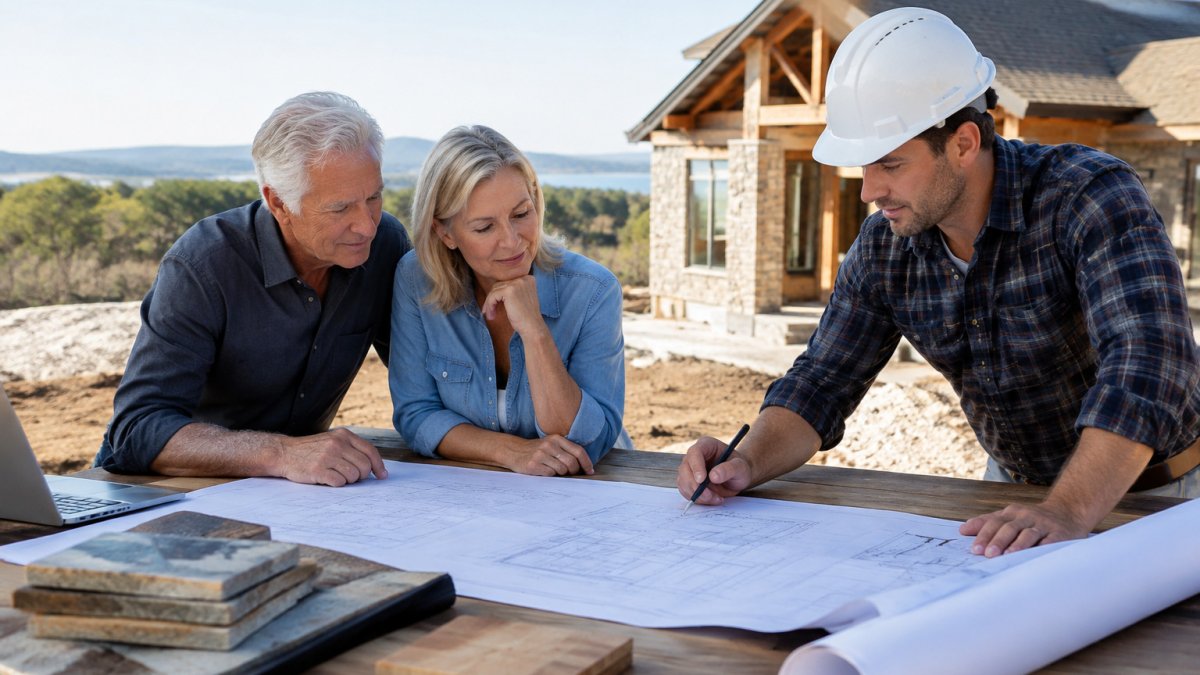
A typical consultation involves sitting down with a designer or builder, describing how you want to live in the home, and leaving with a clearer sense of scope, budget range, and next steps. Many homeowners find the first meeting is less about final design and more about getting the project's shape right.
What Happens During a Home Design Consultation, Step by Step
Most consultations follow a similar sequence. The exact order varies by firm, but the steps below cover what most homeowners can expect, with the concrete detail that makes each step useful.

Introductions and background. The consultant asks who lives in the home, how many people, ages of children, pets, and whether anyone has mobility or accessibility needs. This is not small talk: a household with a toddler, a senior with a walker, and two large dogs will need different flooring, door widths, and storage than a couple on their own. Mention these details early so they shape the conversation rather than surface after drawings begin.
Goals and priorities. You describe what you want to change or build and rank what matters most. A useful way to frame this is to separate "must have," "would like," and "willing to drop." The consultant will usually test your priorities with a few trade-off questions, such as whether you would rather gain open space or keep a separate dining room.
Style and vision. You review inspiration images, colour preferences, and materials you like or dislike. Bring images that show whole rooms, not just single objects, because a sofa photo does not tell a designer how you want the room to feel. Point out what specifically appeals to you in each image: the light, the layout, the palette, or the mood.
Walkthrough of the existing space. If you are renovating, the consultant looks at light, layout, and structure. Many consultations include measurements of key rooms, door and window openings, ceiling heights, and the location of plumbing and electrical panels. The consultant may also note which walls appear load-bearing and flag anything that would need an engineer or permit review before design work can proceed.
Discussion of how you use each room. Daily routines often shape layout more than style does. The consultant will ask how you cook, where you gather, whether you work from home, and how often you host. A kitchen that works for one cook and a kitchen that works for a family of five prepping at once are different designs, even if they look the same in a photo.
Scope and budget discussion. You talk through a rough budget range and which features are essential versus nice to have. A good consultant will explain how the budget maps to scope and which choices have the biggest effect on the total. This is also where you should confirm what the consultation fee includes and whether it is credited toward a larger design or build contract.
Next steps. The consultant explains what happens after the meeting, including any proposal, site visit, or design agreement. Ask for a written summary of what was discussed, what the next decision point is, and what timeline you should expect for a proposal. Before signing anything, you can verify HCRA builder licensing in Ontario using the Builder Directory and check the licence status.
Tip for homeowners: Bring a short list of how you actually spend time in the house. "We host dinners for twelve" tells a designer more than "we want an open kitchen."
Watch out: If the consultant does not ask about household needs, accessibility, or how you use each room, the meeting is likely a sales conversation rather than a design consultation. A thorough first meeting should leave you with a clearer sense of scope and constraints, not just a brochure. Specific architectural challenges often require this same level of diagnostic inquiry, particularly when navigating the complexities of a pool design consultation.
How to Prepare for a Design Consultation Before the Meeting
Preparation makes the meeting shorter and more useful. You do not need a finished plan, but a little groundwork helps.
Gather inspiration. Save 15 to 25 images from magazines, Pinterest, or your own travels. Note what you like in each one.
List must-haves and deal-breakers. Write down the features that are non-negotiable and the ones you would drop first.
Measure key spaces. A tape measure and rough room dimensions save time. Photos of existing rooms help too.
Set a budget range. You do not need an exact number. A realistic range lets the consultant suggest suitable options.
Note your timeline. Know roughly when you want to move in or finish the renovation.
Prepare the site. Clear pathways and make sure the consultant can access the areas you want to discuss. Learn how to plan a custom home site visit so the walkthrough goes smoothly.
Watch out: Skipping the budget conversation is the most common mistake. A designer who does not know your range may propose ideas you cannot afford, which wastes time on both sides.
Home Design Consultation Duration and Timeline From Booking to Follow-Up
Initial consultations at many firms run from roughly 45 minutes to an hour, though larger projects may need a longer first session. The full timeline usually looks like this:
Stage | Typical Timing | What Happens |
Booking | Days to a few weeks ahead | You schedule and share basic project details |
Consultation | 45 minutes to 1 hour | Discussion, walkthrough, and goal setting |
Follow-up summary | Within a few days | You receive notes or a proposal outline |
Proposal and decision | Varies by scope | You review options and decide whether to proceed |
Timelines depend on the firm's schedule and the complexity of your project. Ask for a written timeline before you book so there are no surprises.
In-Home, Virtual and Remote Consultations Compared
Consultations can take place in person at your home, by video call, or through a hybrid approach. Each format suits different situations.
Custom Home Design Brief Examples You Can Adapt
A design brief is a short written summary of your project. Sharing one before the consultation helps the designer understand your priorities. Here are two examples you can adapt:
Example brief 1: Empty nest retirement home We are a couple planning a single-storey home for retirement. We want step-free access, a main-floor primary bedroom, a bright kitchen for weekly family dinners, and a quiet office. Our budget range is flexible but we want low maintenance materials. We prefer a warm, traditional style. Contact →
Example brief 2: Family renovation We have a two-storey home with a dated kitchen and a dark main floor. We want to open the kitchen to the family room, add a mudroom, and improve natural light. We have two children and two dogs, so durable finishes matter. Our target is to finish before next school year.
Adapt these by replacing the details with your own household needs, rooms, and timeline.
Home Design Consultation Questions to Ask Before You Hire
Asking good questions helps you judge whether a designer or builder is the right fit. The questions below go beyond the basics and focus on the details that tend to cause friction later: what is included, how changes are handled, and what happens if you are not ready to commit.
About the consultation itself
What exactly does the consultation fee cover? Ask whether it includes a site visit, measurements, a written summary, and any preliminary sketches, or whether those are billed separately. Confirm whether the fee is credited toward a larger design or build contract if you proceed.
What will I leave the meeting with? A clear answer might be notes, a scope outline, or a proposal timeline. If the answer is vague, the meeting may be more of a sales call than a design session.
Who attends from your team? Confirm whether you will meet the designer who will actually work on your project or a sales representative.
About process and communication
How many revision rounds are included in a design agreement? Ask what counts as a revision and how additional rounds are priced. This is one of the most common sources of budget surprises.
Who is my day-to-day contact? Clarify who manages the project from consultation through completion and how quickly you should expect responses.
How do you handle changes once work begins? Ask for the change-order process, including how changes are priced, approved, and documented.
About credentials and risk
Are you licensed and registered? Check current HCRA licence status and Tarion registration before signing anything.
What insurance and warranty coverage applies to my project? Ask what is covered, for how long, and what the claims process looks like.
Can you share recent references for projects similar to mine? Speak with past clients about communication, timelines, and how problems were resolved.
About deciding what to do next
What happens if I am not ready to hire? A reputable firm should explain follow-up options without pressure, including whether you can pause, request a revised proposal, or compare other firms.
How do you compare with other proposals I am considering? Ask the designer to walk you through what is included in their proposal versus a typical competitor's, so you can compare scope rather than headline price.
Watch out: A firm that will not put key terms, fees, and revision limits in writing before you sign is a warning sign. Verbal assurances are difficult to enforce once work is underway.
Booking Your Compass Custom Homes Consultation and Next Steps
If you are ready to talk about your project, the next step is to reach out. If you are ready to talk about your project, the next step is to reach out to us for more information.
Frequently Asked Questions
What happens during a home design consultation?
A home design consultation usually starts with a conversation about your goals, how your household uses each space, and your style preferences. A consultation often includes a walkthrough, measurements, and a review of any inspiration images you bring, followed by a discussion of project scope, priorities and next steps.
What should I bring to a home design consultation?
Bring a list of your goals and must-have features, photos or clippings that reflect your preferred style, and a rough sense of your budget range. If you have existing floor plans, survey drawings or a list of rooms you want changed, include those too. Measurements of key spaces help, but a tape measure is usually enough for a first meeting. Having these ready makes the conversation more productive and helps the designer focus on what matters to you.
How long does a home design consultation usually take?
Most initial consultations run from about 45 minutes to an hour, though larger projects with several floors or complex needs can take longer. The length depends on how many spaces are involved and how much discussion the project requires. Ask the designer at booking how long the session is expected to last and whether a follow-up meeting is included, so you can plan your time.
Is a home design consultation free?
Fees vary depending on the firm and the format of the meeting. Some designers include an initial consultation at no charge, while others bill for the time spent on site and the planning that follows. Ask what is and is not covered before you book, including whether a written summary, a design plan or revisions are part of the fee. For current pricing and what is included, contact Compass Custom Homes directly for a quote.
Our team at Compass Custom Homes is ready to help you plan the right next step for your home. Contact us to book your consultation and start shaping a space that fits how your family actually lives.
Comments